Typical central Texas weather, we had hot weather, with triple digit weather on the way. Here is what we had as weather in the back yard:
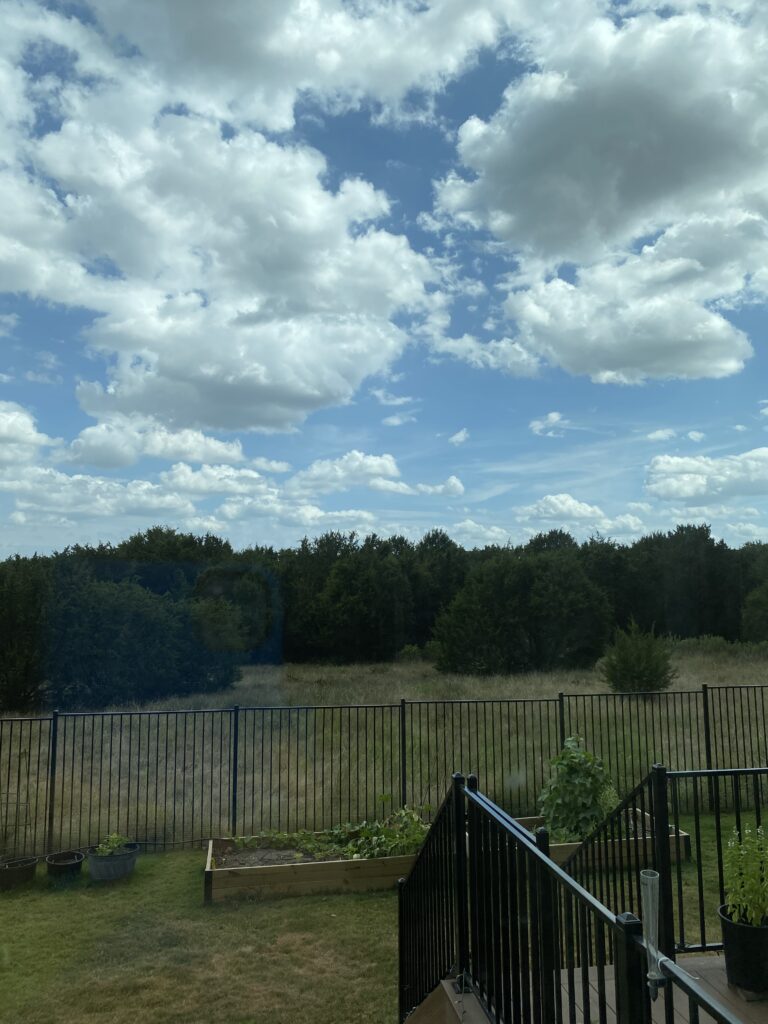
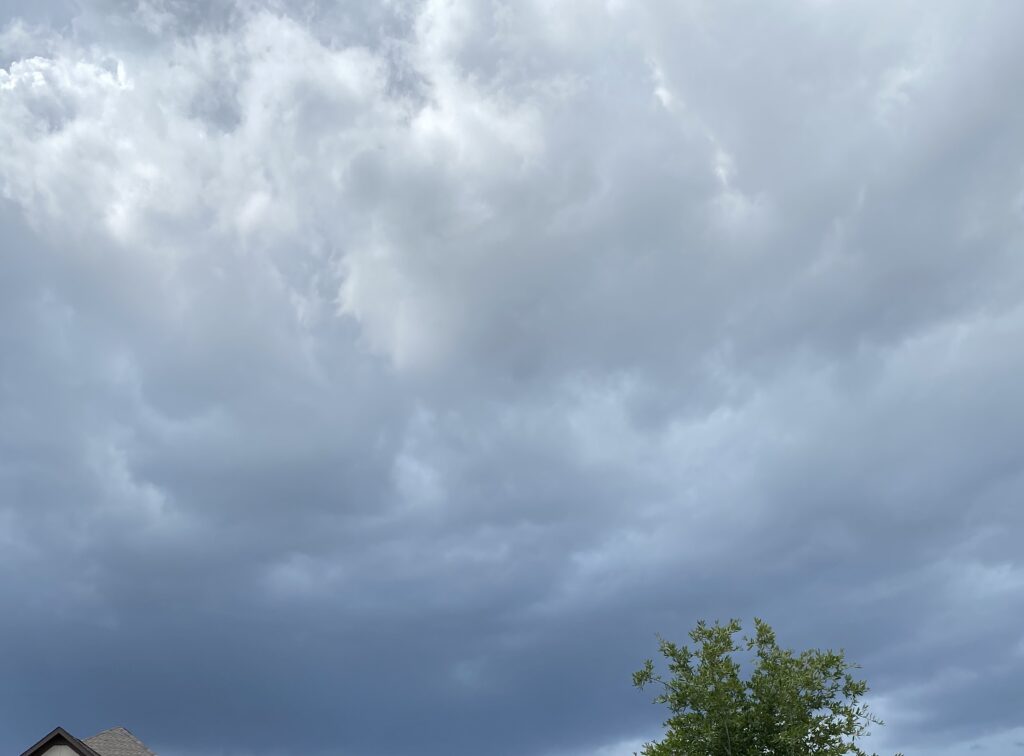
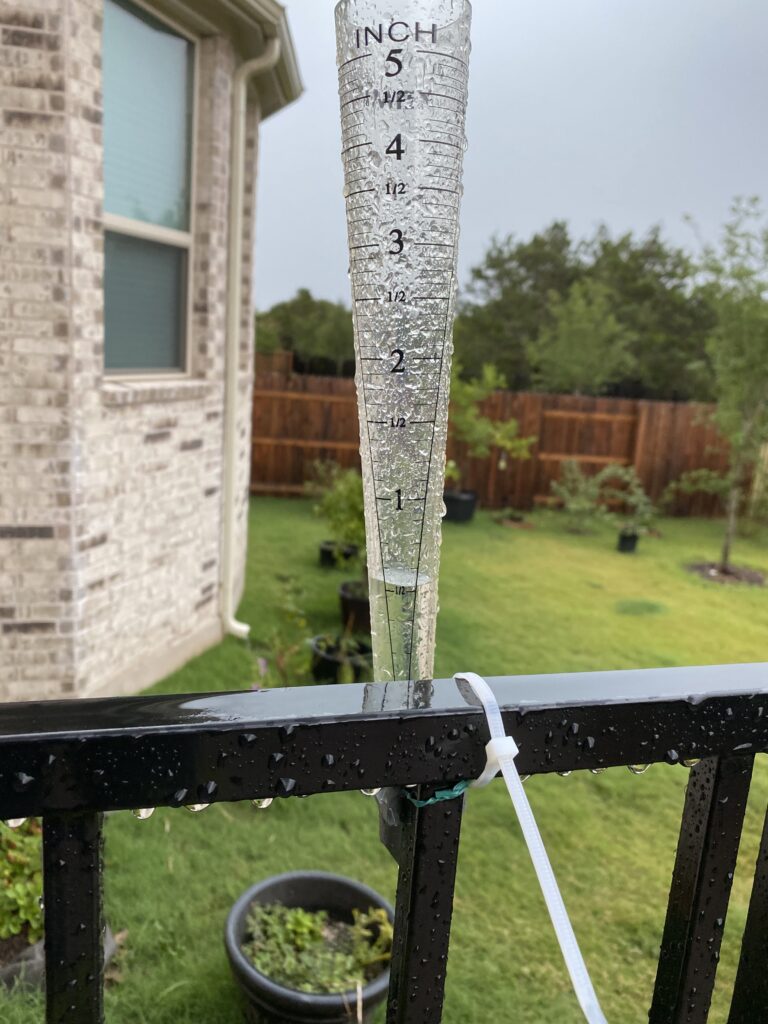
Typical central Texas weather, we had hot weather, with triple digit weather on the way. Here is what we had as weather in the back yard:
Central Texas has been in the midst of a heat spell. We’ve had triple digit days (100+), record breaking heat, with heat indexes hitting 110+. Just plain hot!
So what does that mean for your garden? Just try to keep things alive. That’s really the best you can do. Don’t worry about what doesn’t look like its growing, just keep the poor plants alive. That’s all you can do. That’s the most important thing.
Now I’ve lost a few plants. My thyme plant doesn’t look like it has survived the heat. And I think my mint may have bitten the dust. That happens. But I have small plants of both that I can transplant and grow. That’s the nice thing about taking cuttings and making new plants.
Now for how the garden is doing. I put in a drip water system. Its not elegant, but so far it is working. That’s what matters. I do need to make some refinements. I’m noticing some plants don’t appear to be getting enough water.
Right now the drip water runs three days a week, two times a day (morning and evening), for 5 minutes each time (total of 10 minutes a day). So its not running a lot, but don’t forget, my main sprinklers also run 2 days a week. What I have been looking at is the water pattern. I am using sprinklers that water in a 180 or 360 degree pattern, not little bubblers that water an individual plant. So I have to actually look to see where the water hits. Now yes, I may need to change to bubblers, but that is part of the learning process.
Another interesting learning opportunity has been the seed. You might remember I went through my seed and got rid of old seed. I had some seed that had never been opened, they were company packaged in foil packets. Well I put some of that old, unopened seed in the beds. Guess, what, most all of it is sprouting. Some seemed to sprout overnight. I’m sure getting heat and water helped the quick sprout.
But that’s part of the learning process of gardening. If something isn’t working, its your job to be the sleuth and figure out what may be going wrong. If it sunlight, heat, water, just the wrong plant, old seed – you have to figure it out. But I’m happy to say we seem to be on the right track again. Things are growing well, and that’s what matters.
Happy gardening!
One thing about gardening is you really need to learn your little micro zone. Sometimes people think its sunny, the whole yard gets sun, but that might not be entirely accurate. As I mentioned in a different post, I have a small area bordered by the house on one side, a raised deck on one side, open on a side, and the last side is partially open and partially enclosed by a wall. Because of the raised deck on one side and the partially enclosed portion, this area get both sun and shade. It affects what grows well there, and how they grow. I wanted to show you what I mean.
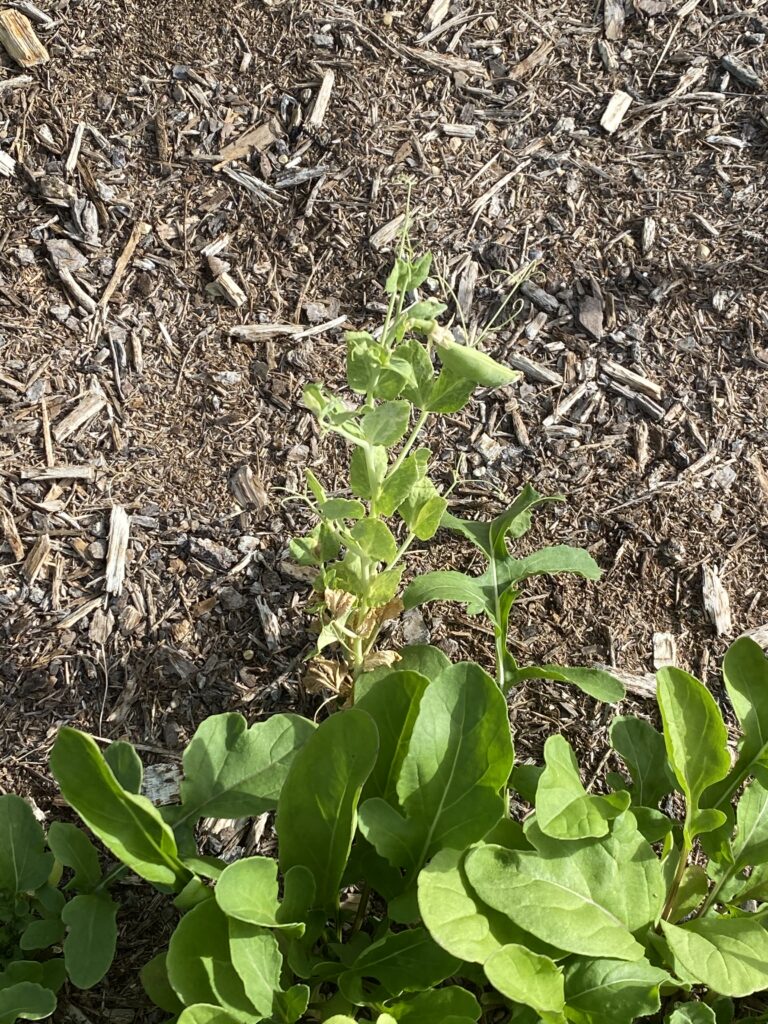
The above is a pea plant, think snow peas, that is in the raised bed in full sun light. Now you might think that would be great for the plant. Well, here in July in central Texas, that’s a lot of sun, and a lot of heat.
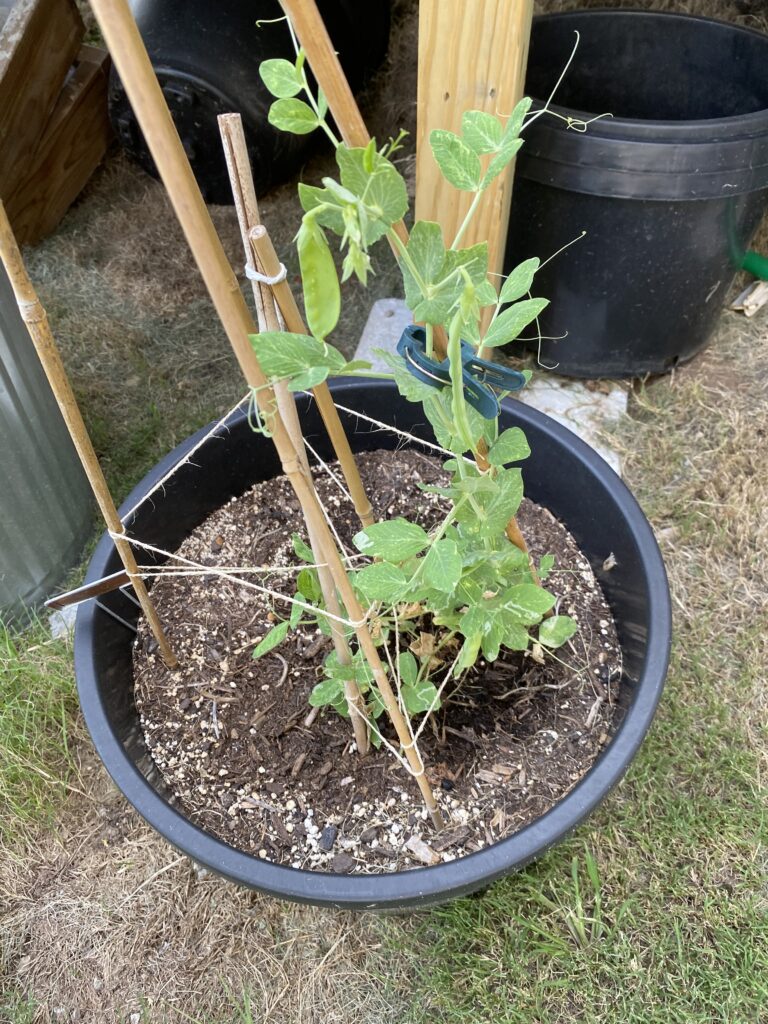
This pea plant, same seed, was planted after the other one, but it is in that corner area near the raised deck. That means this plant get shade in the after noon. This plant was planted after the other one, and theoretically should be smaller. But its not. Its growing better, is larger, and even has peas on it.
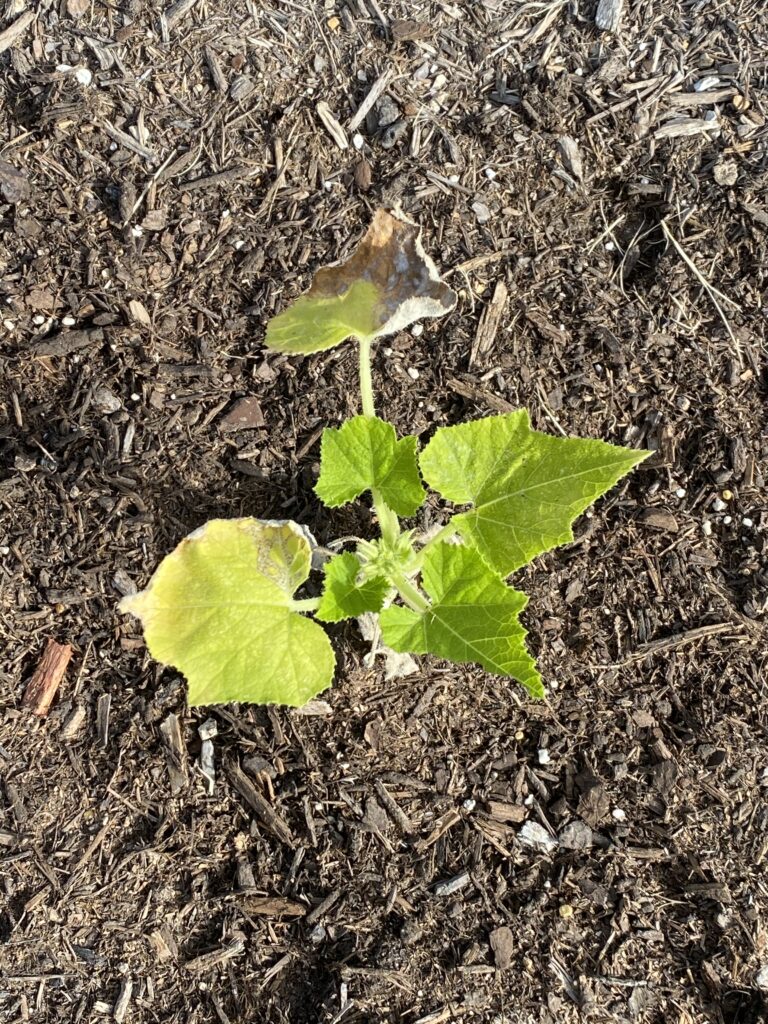
By comparison, this squash plant was in a pot in the same partially shaded area where the well growing pea plant is. You may thing, well its growing fine. By comparison…
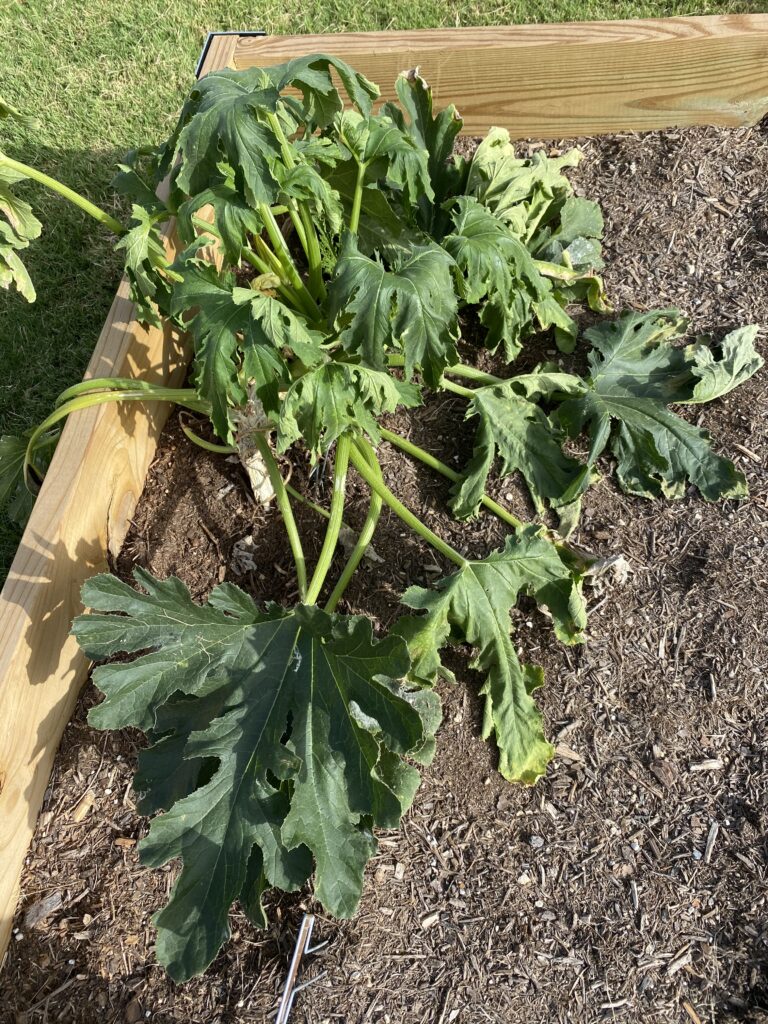
This squash plant was planted after the other one, should be smaller, and have less growth. This one is producing squash, I’ve been eating them. I transplanted the other plant into the same bed as this plant.
These examples are to show how you have micro climates within your yard. You may have some areas with more sun that you expect, and some areas get less that you expect. What you may not have noticed on the small squash plant is it actually had some mildew because of where it was growing. Yes it was in a pot, but it wasn’t in a crowded area, it gets a lot of breeze through that area. But it is an area that does get more shade. And that seems to have made all the difference.
To make it simple to understand, if you have an area where a plant may not be doing well, take a good look at the actual area – how much sun, how much shade, how much wind or breeze does it get. It may not be what you expect. Your plant may do better in a different area of your yard. So you need to actually look and learn about your area. Then you can get a better crop of whatever you are growing, veggies, flowers, whatever.
Things to learn while gardening.